A Somatic Tool for the Nervous System
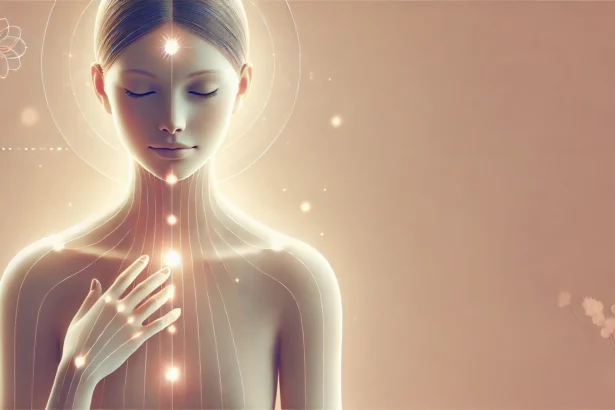
Recovery doesn’t happen through theory alone. It happens when we use structured tools that shift the brain and nervous system into a state of safety. The butterfly hug is a straightforward somatic tool that supports nervous system regulation and brain rewiring. By using the sense of touch, this practice helps send a signal of safety to your system, allowing long-held patterns of stress to begin releasing.
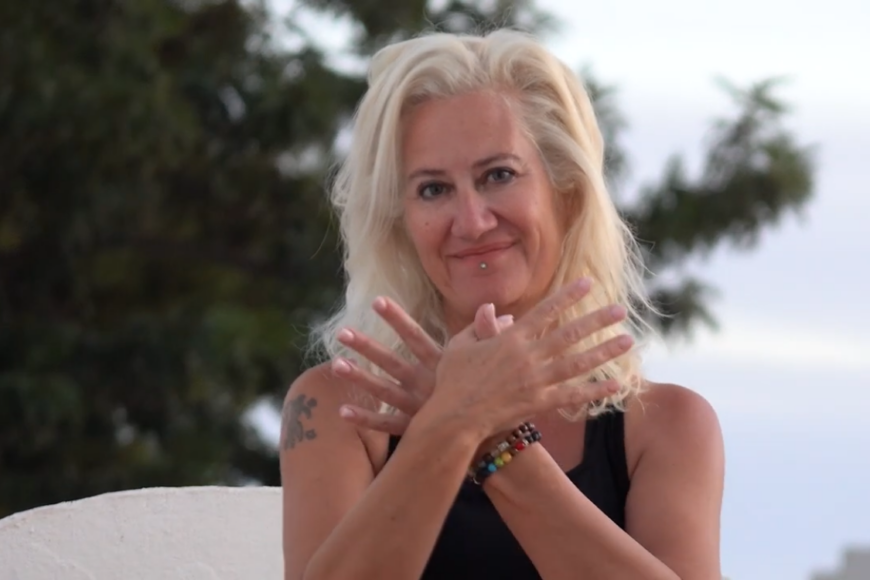
💗 This video was recorded outdoors to offer a grounded, natural setting while you learn the technique.
Try the Practice with me in this Guided Video
You can try the Butterfly Hug alongside me in this short guided video:
Why the Butterfly Hug Works
The Butterfly Hug uses touch and bilateral stimulation; a method often used in trauma therapy and nervous system regulation. Bilateral (meaning both sides) stimulation is a technique often used in somatic work.
The butterfly hug involves placing the hands over the chest – this already feels like a reassuring hug. Then one can very gently tap on one side, then the other, in a soothing rhythm that engages both hemispheres of the brain. By engaging in this practice, you may notice the following benefits unfold over time:
💗 Shift the nervous system – from stress to regulation.
💗 Support brain rewiring – Reinforcing new patterns of thought and neuroplasticity.
💗 Create a felt sense of safety – Allowing the body to release stored tension.
💗 Deepen self-connection – Inviting you into a more present and compassionate relationship with your body.
The Power of Touch
Somatic healing is based on the understanding that stress is stored in the body as well as in the mind. Gentle touch plays a crucial role in releasing tension, regulating the nervous system, and restoring a sense of safety.
When we engage in rhythmic, intentional touch, such as the butterfly hug, we signal to the mindbody system that it is safe to shift out of survival mode. This approach helps to discharge stored stress, completing cycles of activation that may have been left unresolved due to past overwhelm. By reconnecting with the ourselves in a compassionate and controlled way, we allow for deep self-regulation, bringing ease and balance back into the nervous system.
Recovery doesn’t require re-living the past. It requires new experiences of safety that train your system to respond differently.
How Bilateral Stimulation Rewires the Brain
Bilateral stimulation is a process that engages both hemispheres of the brain in a rhythmic, alternating pattern, often used in emotional healing and nervous system regulation. Research in neuroscience and psychology has shown that bilateral stimulation facilitates communication between the left and right hemispheres, promoting integration and emotional processing. The corpus callosum, the bundle of nerve fibres connecting both hemispheres, plays a critical role in transmitting information between rational thought (left hemisphere) and emotional experience (right hemisphere).
When we engage in bilateral rhythmic movement, we enhance connectivity between these regions, helping the brain integrate stored emotions and release hidden stressors in a more adaptive way. Studies in neuroplasticity demonstrate that repeated patterns of movement can create new neural pathways, supporting emotional regulation and reducing the impact of past stressors on the nervous system.
Muscle Memory, Neuroplasticity, and the Butterfly Hug
Neural pathways are formed through synaptic plasticity, the brain’s ability to strengthen or weaken connections between neurons based on experience and repetition. Muscle memory, a function of the basal ganglia and motor cortex, reinforces these pathways by creating automated responses to repeated movements. This is why a pianist can play without thinking or why repeated actions like the Butterfly Hug become automatic safety signals over time.
When we practise the butterfly hug, the bilateral tapping engages sensorimotor pathways, helping to reinforce feelings of safety and regulation. With repetition, this practice helps the nervous system shift out of survival mode, creating a foundation for greater balance and ease.
INtegrating This Practice
You don’t have to do everything at once. Recovery builds through repeated patterns of safety, not perfection. The butterfly hug is one way to cultivate that compassionate presence, offering your nervous system a chance to settle and recalibrate.
Try the Butterfly Hug whenever you need a hug, perhaps before sleep, or during a moment of overwhelm. Notice how your body responds; physically, mentally, and emotionally.
💗 Discover more somatic healing tools in the resources section of this website.
📩 If this practice resonates with you, you may like to explore Working Together to support your recovery.
With warmth and care,
Amari 🌸