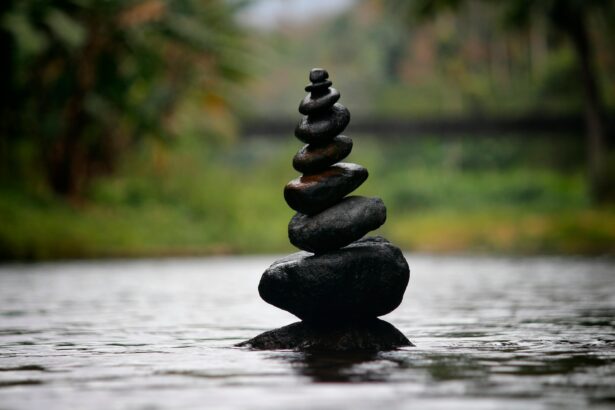
Like the tide, healing isn’t linear, but it needs rhythm and a commitment to keep returning.
Introduction to Building a Recovery Rhythm
When you live with a chronic illness, every day can feel like walking a tightrope:
Do too much, and you crash. Do too little, and you feel stuck. The push-crash cycle becomes a way of life, leaving your mind and body in a constant state of fear and survival.
But what if real recovery isn’t found in doing more or doing less, but in moving differently? This path begins through returning to rhythm; creating a flow between movement and rest, effort and ease, expansion and softening.
It’s the rhythm your system once knew instinctively, before illness, before overwhelm, before everything became about survival.
Why Rhythm is Essential for Recovery
Most traditional advice about chronic illness focuses on limiting activity to avoid crashes; pacing, conserving, rationing. While some of this has its place early on, rigid restriction often keeps the nervous system and brain locked in fear and fragility.
Research shows that the nervous system and brain are shaped by rhythm:
- Our hearts beat in rhythm.
- Our breath moves in rhythm.
- Our very cells heal according to circadian rhythms.
When you create flow, not strict schedules, but steady rhythms, you offer your nervous system exactly what it craves: predictability, safety, and trust. It is the very “regularity” your system craves for its “regulation”.
You begin teaching your mindbody system it no longer needs to live in emergency mode.
💗 This steadying rhythm is one of the foundational steps that opens the door to deep healing: allowing energy to flow, resilience to rebuild, and life to expand again.
How Rhythm Begins: First in the Mind, Then in the Body
Before you can change how you act, you must first change how you understand. Recovering begins not with doing, but with thinking differently, with shifting the way you perceive energy, symptoms, and progress.
Most people living with chronic illness fall into the trap of the push-crash cycle. On lower-symptom days, it’s tempting to do as much as possible, to catch up on life, to make up for lost time. But this surge of effort and push is often followed by a crash. And on the hard days, we may do very little, feeling defeated or frozen. This creates extremes, and what the nervous system longs for most is the opposite of extremes; it longs for stability.
So how do you begin to create rhythm?
Start by noticing your thoughts. Notice the internal narrative on “good” days when your symptoms are less; is it urgent, rushed, or filled with pressure to do it all? Can you choose to do slightly less, even when energy feels higher?
On the harder days, when everything feels impossible, and perhaps your symptoms are more intense, see if you can still offer yourself something, a tiny bit of activity, even if it’s just reading one sentence about nervous system safety, or placing a hand on your heart with a whisper of kindness. This path doesn’t require perfection; it requires small, soft adaptations.
This is how rhythm begins: with micro-adjustments that reduce pressure on high-push-energy days, and invites connection on low-energy or really tough days. Over time, this begins to rewire the nervous system and the brain.
Changing your thinking changes your doing. And when your actions begin to align with safety and steadiness, rather than urgency or shutdown, the rhythm of recovery begins to shine through.
Keep Exploring
If this introduction to rhythm and flow resonates with you, here are a few ways to keep moving forward:
💗 Discover Somatic Exercises in the Resources
There are somatic healing practices and reflections to help you create rhythm and flow in the resources section of this website to support you.
💗 Explore Healing Through Balance, Not Burnout
If reading is within your window of tolerance, you can learn more in this longer research article about balance, rhythm and flow to help avoid burnout and crashes. [Read more here →]
💗 Book a Mind-Body Recovery Coaching Session if you’d like personal support to help stabilise your energy and begin creating your rhythm, you.
Let this moment be the first beat in a new rhythm; just as the tide returns again and again to meet the shore, so too can you return to your rhythm, steadily.
With care and warmth,
Amari 💗